

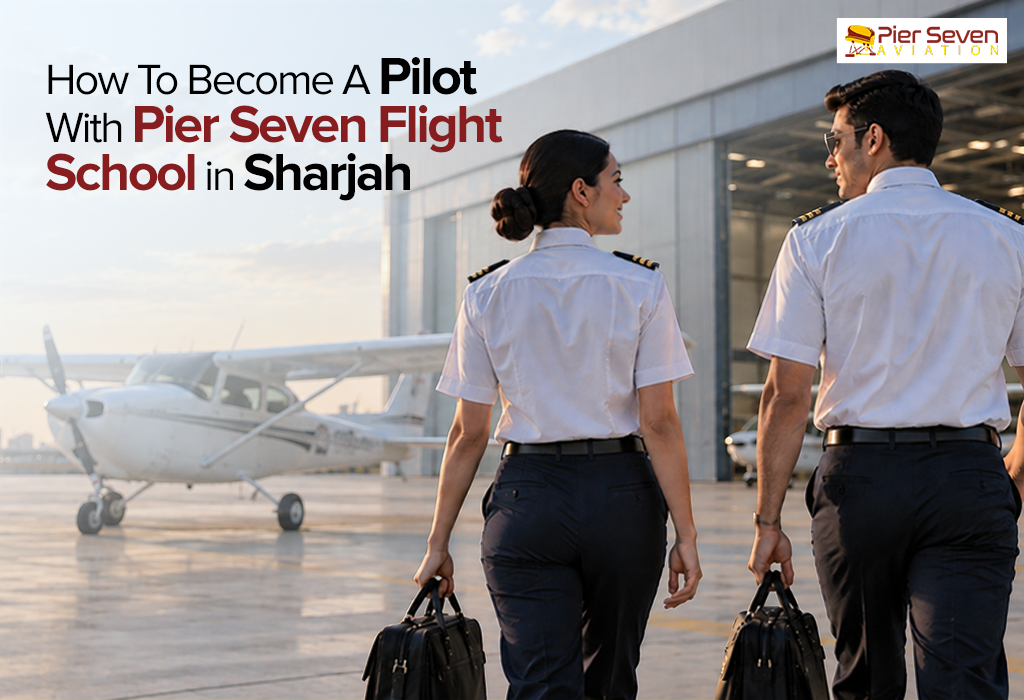
Becoming a pilot takes more than learning how to fly an aircraft. Students need to understand eligibility requirements, complete ground studies, build practical flying experience, pass examinations, and follow the licensing requirements relevant to their career goals.
For aspiring pilots considering the UAE, selecting the right flight school Sharjah can help create a structured path from training to professional aviation. Pier Seven Aviation offers pilot training in Sharjah, including EASA-certified courses, integrated and modular training options, and advanced simulator-based learning.
1. Decide What Type Of Pilot You Want To Become
Before enrolling, identify your long-term objective. Someone interested in private flying will have different requirements from a student planning to pursue an airline career.
Future airline pilots may need commercial pilot training, instrument and multi-engine training, theoretical examinations, and additional airline-focused qualifications.
When comparing a Pilot school Sharjah, look at the complete training pathway rather than choosing only on location or tuition fees. The course should match the license and career destination you are targeting.
2. Check The Eligibility Requirements
Aviation training Sharjah begins with confirming that you meet the requirements for your chosen license. These can include age, educational qualifications, medical fitness, English-language ability, documentation, and other conditions depending on the licensing authority.
Students planning to work in India eventually should also understand the applicable DGCA requirements before beginning overseas training. Requirements can differ depending on whether you are completing your entire training abroad or using overseas training as part of a licensing or conversion pathway.
Taking care of these requirements early can prevent delays later in the training process.
3. Complete Your Ground Training
Flying is only one part of pilot education. Ground school develops the theoretical knowledge needed to understand aircraft operations and make informed decisions during flight.
Depending on the license, subjects can include navigation, meteorology, aviation regulations, aircraft systems, flight planning, and human performance.
A good aviation training Sharjah program should connect this theoretical knowledge with practical flying. Understanding why a procedure is followed is far more useful than simply memorising it.
4. Begin Practical Flight Training
After establishing the necessary theoretical foundation, students begin practical flight training academy Sharjah. Early lessons generally focus on fundamental aircraft handling, take-offs, landings, maneuvering, communication, navigation, and applicable emergency procedures.
Training progresses gradually as students develop their skills and confidence. Instructor guidance is particularly important because students need to understand both how to perform an exercise and why the technique is used.
When comparing flight training academy Sharjah, consider aircraft availability, instructor experience, training schedules, facilities, and how practical training fits into the overall course.
5. Develop Advanced Flying Skills
Students pursuing professional aviation careers generally need training beyond basic visual flying. Instrument training introduces pilots to operating primarily by reference to cockpit instruments and established procedures.
Depending on the chosen pathway, students may progress toward commercial pilot qualifications, instrument ratings, multi-engine training, and airline-focused preparation.
Pier Seven Aviation’s current training portfolio includes integrated and modular pilot training, CPL(A)/IR under EASA, as well as MCC and JOC programs for airline-oriented preparation.
6. Use Simulator Training Effectively
Flight simulators in Flight school Sharjah allow pilots to practice procedures and scenarios in a controlled environment. They can be particularly valuable for emergency procedures, workload management, cockpit familiarization, and airline-style operations.
P7 Aviation’s Sharjah facility lists A320, B737, and B747 simulator capabilities, with qualifications and approvals displayed for relevant regulatory environments.
For students considering an EASA-approved training institute, it is important to verify the exact approval and scope applicable to the course. EASA explains that approved training organizations operate under defined certification and oversight requirements.
7. Complete Examinations And Skill Tests
Pilot training combines theoretical examinations with practical assessments. Students need to meet the requirements applicable to their selected license and training pathway.
Good preparation should continue throughout training rather than being left until the final examination. Connecting classroom concepts with actual flying can make both areas easier to understand.
Students should also confirm exactly which authority oversees their intended license before beginning the course.
8. Understand the DGCA Route For Indian Students
For Indian students planning to build their aviation career around DGCA licensing, understanding the regulatory pathway before enrolling is particularly important.
Completing training overseas does not automatically mean every requirement for an Indian license has been completed. Additional examinations, documentation, verification, conversion procedures, or other requirements may apply depending on the individual’s circumstances.
Anyone searching for a DGCA-approved training institute should verify the current approval status and the exact course or training privilege covered rather than relying on general promotional descriptions.
Choosing The Right Training Program In Sharjah
Not every student needs the same training route. Integrated training can provide a structured progression for students starting with little or no flying experience, while modular training may offer greater flexibility for those who prefer to complete qualifications in stages.
Before choosing a flight school Sharjah, ask:
- Which license or qualification does the program lead toward?
- Which aviation authority’s requirements does it follow?
- How much flight and simulator training is included?
- What additional costs should students expect?
- What examinations and skill tests are required?
- What support is available for international students?
- Does the program match your intended career destination?
Looking at these details can help you avoid choosing a course based solely on its advertised price or duration.
From Pilot Training To An Aviation Career
Completing initial pilot training is an important milestone, but it may not be the final stage before entering an airline cockpit. Depending on the career route, pilots can require additional ratings, experience, airline assessments, type-specific training, and other qualifications.
This is why students seeking professional pilot training Sharjah should consider what opportunities and training resources are available beyond their first license. A training provider with simulator and airline-oriented programs can offer exposure to additional stages of professional aviation training. Pier Seven Aviation lists type-rating programs for aircraft, including the Airbus A320 and Boeing 737, along with MCC and JOC training.
Summary
Becoming a pilot requires planning, discipline, financial preparation, and a clear understanding of the licensing route you want to follow. The right flight school Sharjah should provide more than flight hours. Students should evaluate the training structure, instructors, aircraft, simulator facilities, regulatory framework, examinations, and overall career pathway before enrolling. Pier Seven Aviation provides pilot-training and simulator-based aviation programs in Sharjah, including EASA-oriented training and DGCA India type-rating options. A careful comparison of these factors can help aspiring pilots choose training that fits both their immediate needs and long-term aviation goals.
FAQs:
The duration varies according to the license, training route, student progress, examination schedule, weather, aircraft availability, and regulatory requirements.
Yes, international students can explore pilot training programs in the UAE. However, Indian students should check current DGCA requirements and any applicable conversion procedures before starting training.
Integrated training follows a structured program covering multiple stages, while modular training allows students to complete individual qualifications separately. The better option depends on the student’s experience, budget, and preferred learning route.
Simulators provide a controlled environment for practicing cockpit procedures, workload management, abnormal situations, and airline-style operations without the operational constraints of an actual aircraft.
Check the applicable regulatory approvals, course structure, aircraft and simulator availability, instructor qualifications, total costs, examination requirements, and whether the program aligns with the license and aviation career you want to pursue.