

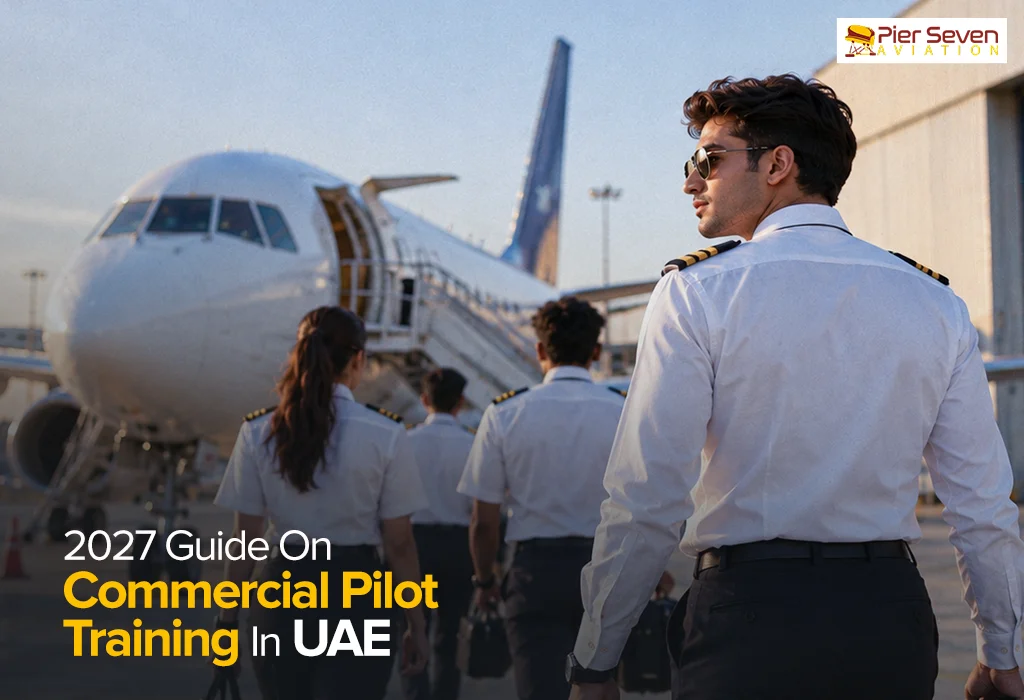
The UAE continues to attract aspiring pilots with its established aviation infrastructure, international training standards, and access to modern aircraft and flight simulation technology. For students planning a professional flying career in 2027, selecting the right training pathway is an important first step.
Commercial pilot training Sharjah can be particularly relevant for candidates looking for structured aviation education in the UAE. P7 Aviation is a leading flight training academy Sharjah that provides pilot training with programs and facilities designed to support aspiring and professional pilots.
What Is Commercial Pilot Training?
Commercial pilot training prepares students to operate aircraft professionally and develop the technical, theoretical, and practical skills required for commercial aviation. The training goes beyond basic aircraft handling and covers subjects such as aviation regulations, navigation, meteorology, aircraft systems, performance, human factors, communications, and operational procedures.
Under UAE GCAA requirements, applicants for a Commercial Pilot Licence must complete the required theoretical examinations and flight instruction through a GCAA-approved Approved Training Organisation. The minimum age for obtaining a CPL is 18.
For students considering our pilot training Sharjah, understanding these requirements before enrolling can make the overall process easier to plan.
Main Stages Of Commercial Pilot Training
The exact route can vary depending on the student’s previous experience, chosen license, and training organization. However, a professional pathway generally combines theoretical education with our practical aviation training Sharjah.
1. Ground School
Ground school develops the knowledge needed to understand how aircraft and aviation operations work. Students study subjects such as:
- Air law
- Aircraft general knowledge
- Flight performance and planning
- Meteorology
- Navigation
- Human performance
- Principles of flight
- Operational procedures
- Radio communications
These subjects provide the foundation for safe and informed decision-making in the cockpit.
2. Flight Training
After developing the required theoretical foundation, students apply their knowledge during practical flying. We offer Aviation training Sharjah that develops aircraft handling, navigation, communication, emergency procedures, instrument skills, and operational discipline.
The amount and structure of training depend on the approved program and the applicable regulatory requirements. Students should therefore review the course syllabus carefully before enrolling in our commercial pilot training Sharjah.
3. Advanced Airline Preparation
Students targeting airline careers may need additional preparation after completing their initial commercial license. Depending on their pathway, this can include instrument and multi-engine qualifications, multi-crew cooperation, jet orientation, and aircraft-specific type rating training.
A structured professional pilot training Sharjah pathway can help students understand how these stages connect rather than treating each qualification as a separate goal.
Choosing A Training Organization In The UAE
Choosing the right academy is just as important as choosing the right training pathway. The General Civil Aviation Authority approves training organizations associated with pilot licensing and testing and oversees aviation personnel licensing and flight simulation training devices.
When comparing a flight training academy Sharjah, look at:
- Regulatory approvals
- Course structure
- Aircraft fleet
- Simulator access
- Instructor qualifications
- Training schedules
- Student support
- Examination preparation
- Total training costs
Do not base your decision only on the advertised course fee. A lower initial price may not include every flight hour, examination, simulator session, or additional training requirement.
Why Simulator Training Matters
Modern commercial aviation relies heavily on advanced systems and automation. Simulator training allows students and qualified pilots to practice procedures in a controlled environment without the risks associated with live flight.
Depending on the program, simulators can be used for cockpit familiarization, instrument procedures, abnormal situations, emergencies, crew coordination, and aircraft-specific training.
For students undertaking our commercial pilot training Sharjah, access to appropriate training devices can complement practical flying and help develop decision-making skills. P7 Aviation currently lists A320 and B737 full-flight simulator facilities alongside its pilot and advanced training services.
Understanding The Pilot Licence Pathway
Students should identify the license they ultimately want before committing to a course. A commercial pilot license Sharjah can provide professional flying privileges, but it does not automatically qualify a pilot to operate every type of commercial aircraft.
Additional ratings and qualifications may be required depending on the aircraft and operation. Students should also consider where they intend to work because licensing requirements can differ between aviation authorities.
For international candidates, understanding license recognition and conversion is especially important. The UAE GCAA provides a process for recognition of certain foreign licenses when applicants meet the specified conditions, including license validity, verification, examination, English proficiency, and age requirements.
This makes regulatory planning an important part of Pilot License Sharjah preparation.
How Long Does Training Take?
There is no single duration that applies to every commercial pilot. Training time depends on whether the student follows an integrated or modular program, previous flying experience, weather, aircraft availability, examination progress, and individual performance.
The GCAA regulations state that an ATP-integrated course for aeroplanes should last between 12 and 36 months, although the period can be extended when additional flying or ground instruction is required.
Students should therefore ask training providers for an estimated timeline based on their specific background rather than relying on a generic course duration.
Preparing For An Airline Career
Earning a license is a major milestone, but airline preparation involves more than completing examinations and flight hours. Professional pilots need strong communication, situational awareness, teamwork, procedural discipline, and the ability to manage workload effectively.
Students should develop these habits throughout training. They should also maintain accurate records, stay informed about regulatory requirements, and seek feedback from instructors.
A well-planned professional pilot training Sharjah route can help students gradually build the technical and professional competencies expected in commercial aviation.
Plan Your Aviation Career For 2027
Starting commercial pilot training Sharjah in 2027 requires careful planning rather than simply selecting the first available course. Students should understand the licensing pathway, compare approved training organizations, assess facilities and instructors, and consider the qualifications needed after their initial license.
For candidates researching pilot training Sharjah, the right approach is to view training as a complete career pathway. We provide structured aviation education, modern training resources, and advanced pilot programs designed to support different stages of professional development. P7 Aviation can be considered as part of that research when evaluating training options in the UAE.
FAQs
The minimum age for obtaining a UAE CPL is 18, subject to meeting the other applicable licensing and training requirements.
Yes. Applicants need to meet the applicable aviation medical requirements. Students should complete the relevant medical assessment before making major financial commitments to training.
International students can pursue eligible training programs in the UAE, but they should confirm entry requirements, visa arrangements, licensing rules, and the recognition or conversion process relevant to their intended career.
Simulator training may form part of advanced pilot preparation depending on the program. It is particularly useful for practicing procedures, abnormal situations, cockpit workflows, and airline-oriented scenarios.
Review the organization’s approvals, instructors, aircraft, simulator facilities, course structure, schedule, student support, total costs, and how the program fits your intended licensing and career pathway.